
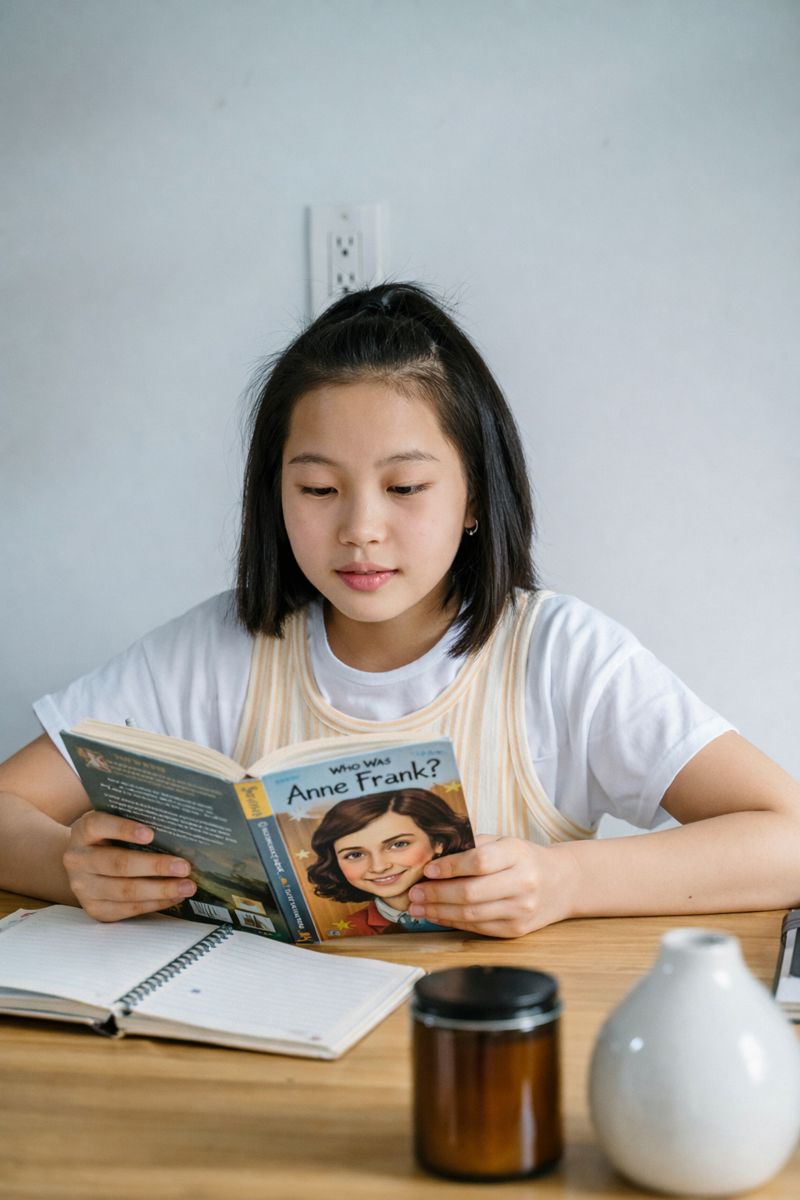
How To Help Kids Focus When Learning at Home
How To Help Kids Focus When Learning at Home: A Practical, Parent-Centered Guide

Helping children stay focused while learning at home is one of the biggest challenges parents face—especially for families who homeschool or manage remote learning. Many parents worry that their children are easily distracted, lack discipline, or simply “can’t focus.”
In reality, most focus issues at home are not a problem with the child. They are a result of environment, expectations, developmental stage, and how learning is structured.
This guide offers a realistic, compassionate, and practical approach to helping kids focus when learning at home—without turning your house into a strict classroom or creating daily power struggles.
Why Focus Is Harder at Home Than at School
Before trying to “fix” focus, it’s important to understand why it’s often harder at home.
At home:
- There are more distractions (toys, siblings, noise)
- Boundaries between learning and leisure are blurred
- Parents play multiple roles (teacher, caregiver, authority figure)
- Children feel emotionally safe—and therefore less pressured to perform
This doesn’t mean learning at home is inferior. It simply means focus must be built differently.
Understanding Focus Through a Developmental Lens
One of the biggest mistakes parents make is expecting children to focus like adults.
Focus develops gradually
- Young children are not designed for long periods of sustained attention
- Attention span increases with age, interest, and emotional regulation
- Focus is a skill, not a personality trait
A child who struggles to focus is not lazy or unmotivated—they are still learning how to manage attention.
Redefining What “Focus” Actually Means
Focus does not always look like:
- Sitting still
- Looking at a book for long periods
- Completing work without breaks
For many children, real focus looks like:
- Short bursts of deep attention
- Asking questions
- Moving while thinking
- Engaging verbally rather than silently
When parents redefine focus, frustration often decreases immediately.
Create an Environment That Supports Focus (Before Fixing Behavior)
Focus begins with the environment, not discipline.
1. Designate a Learning Space (But Keep It Flexible)
Children focus better when learning happens in a predictable place.
This doesn’t mean:
- A perfect desk
- A classroom-style setup
It means:
- A consistent area used primarily for learning
- Minimal visual clutter
- Supplies within reach
Some children focus better at:
- A kitchen table
- A couch with a lap desk
- Standing at a counter
Let the space support the child, not the other way around.
2. Reduce Visual and Auditory Distractions
Children are highly sensitive to sensory input.
Helpful adjustments include:
- Turning off background TV or music
- Limiting toys in the learning area
- Using noise-canceling headphones for some children
- Keeping only current materials visible
Less stimulation often leads to more focus.
Short Lessons Are More Effective Than Long Ones
One of the most powerful ways to improve focus is simply to shorten lessons.
Why shorter lessons work:
- They respect developmental limits
- They reduce mental fatigue
- They prevent power struggles
- They build confidence through success
As a general guideline:
- Ages 5–7: 10–20 minutes
- Ages 8–10: 20–30 minutes
- Ages 11–13: 30–45 minutes
Stopping before a child is exhausted helps focus improve over time.
Build Focus Through Rhythm, Not Rigid Schedules

Children focus better when they know what comes next.
Instead of strict schedules, many families succeed with daily rhythms:
- Morning learning time
- Lunch and rest
- Afternoon creative or independent activities
Predictability reduces anxiety, and less anxiety leads to better focus.
Movement Is Not the Enemy of Focus
Expecting children to sit still for long periods often backfires.
Movement:
- Helps regulate the nervous system
- Improves blood flow to the brain
- Supports attention and memory
Ways to integrate movement:
- Stretching between lessons
- Walking while listening to audiobooks
- Using fidget tools
- Allowing standing or pacing during reading
For many kids, movement enables focus, not disrupts it.
Use Interest as a Gateway to Attention
Interest is one of the strongest drivers of focus.
When children care about what they’re learning:
- Focus lasts longer
- Resistance decreases
- Retention improves
This doesn’t mean every lesson must be entertaining, but it does mean:
- Connecting learning to real life
- Allowing choice when possible
- Following curiosity occasionally
A child who struggles to focus on worksheets may focus deeply on building, reading, or discussing topics they love.
Break Tasks Into Clear, Achievable Steps
Large tasks overwhelm children and shut down focus.
Instead of saying:
“Finish your writing.”
Try:
- “Write one sentence.”
- “Tell me your idea out loud.”
- “Let’s write the first sentence together.”
Small steps build momentum, and momentum builds focus.
Teach Kids How to Focus (Instead of Expecting Them To)
Focus is a skill that can be taught.
Help children learn:
- How to notice when their mind wanders
- How to bring attention back gently
- How to take breaks before frustration builds
Simple strategies include:
- Timers for short work periods
- Checklists
- Visual progress trackers
This shifts focus from punishment to skill-building.
Emotional Safety Is Essential for Focus
Children cannot focus well when they feel:
- Anxious
- Pressured
- Constantly corrected
A calm emotional environment:
- Reduces resistance
- Improves cooperation
- Encourages effort
This does not mean lowering expectations, but it does mean responding with empathy rather than frustration.
Avoid Power Struggles Over Focus
Power struggles destroy focus faster than almost anything else.
Signs of a power struggle:
- Repeated commands
- Raised voices
- Child shutting down or acting out
When this happens:
- Pause the lesson
- Reset expectations
- Return later if needed
Focus improves when children feel respected, not controlled.
Use Breaks Strategically (Not as Rewards)
Breaks are essential, not something children must earn.
Effective breaks:
- Happen regularly
- Include movement or rest
- Are predictable
Short breaks prevent burnout and help children return to learning refreshed.
Sleep, Nutrition, and Focus
Focus is deeply connected to physical well-being.
Children who struggle with focus may be affected by:
- Inadequate sleep
- Irregular meals
- Excessive sugar or screen time
Supporting healthy routines outside learning time has a powerful impact on attention during lessons.
Screen Time and Focus at Home
Screens can both help and hurt focus.
Helpful screen use:
- Educational videos used intentionally
- Audiobooks and learning apps in moderation
Harmful patterns:
- Excessive passive screen time
- Switching rapidly between apps
- Screens used immediately before learning
Setting clear boundaries around screens often improves focus dramatically.
Focus Looks Different for Every Child

Comparing siblings—or your child to others—creates unnecessary stress.
Some children:
- Focus quietly
- Think internally
Others:
- Talk through ideas
- Move while learning
- Focus intensely for short periods
All of these can be valid forms of attention.
When Focus Challenges Are Persistent
If focus difficulties are severe, consistent, and interfering with daily life, it may be helpful to:
- Observe patterns over time
- Adjust expectations and methods
- Consult professionals if concerns persist
However, many focus challenges improve significantly with environmental and instructional changes alone.
Helping Kids Build Lifelong Focus Skills
The goal of learning at home is not perfect attention every day. It is to help children:
- Understand their own minds
- Develop self-regulation
- Learn how to engage with tasks over time
These skills develop gradually and imperfectly.
Final Thoughts: Focus Is Built, Not Forced
Helping kids focus when learning at home requires patience, flexibility, and trust in the learning process.
When parents:
- Adjust the environment
- Shorten lessons
- Respect developmental stages
- Support emotional well-being
Focus improves naturally.
Learning at home does not need to look rigid or stressful to be effective. With thoughtful support, children can develop the ability to focus—not because they are forced to, but because learning feels safe, meaningful, and achievable.