Books That Help You Understand People
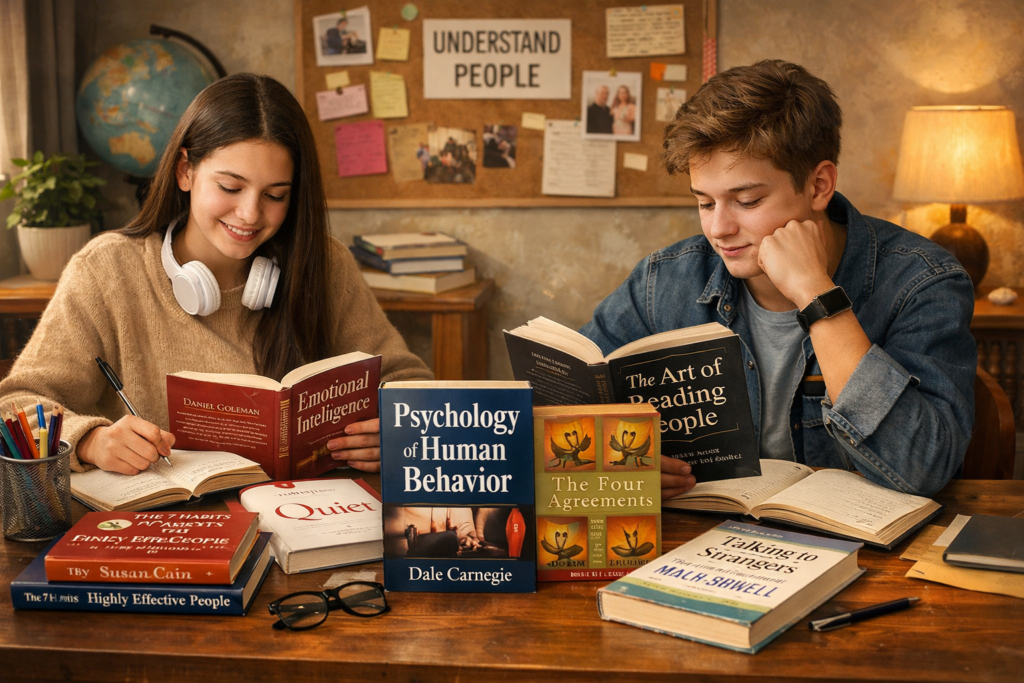
Books That Help You Understand People
For a long time, I thought understanding people was something you either had—or didn’t.
Some people just seemed naturally good at it.
They knew what to say, how to respond, how to read a situation without overthinking it.
I wasn’t one of them.
I often misunderstood things. Took words too literally. Missed what wasn’t being said. Sometimes, I reacted too quickly—before I fully understood the other person.
And the confusing part was this:
I wasn’t trying to misunderstand anyone.
But it kept happening.
The First Realization: People Are Not Always Direct
One of the first things I learned from reading was simple—but not obvious:
People don’t always say exactly what they mean.
At first, that felt frustrating.
Why not just be clear?
But the more I read, the more I understood.
Communication is layered.
There are words—but also tone, context, emotion, and intention.
And if you only focus on the words, you miss a lot.
Listening Beyond Words
Before, I thought listening meant hearing what someone says.
But books showed me something deeper.
Listening means paying attention.
To pauses. To emphasis. To what’s avoided.
Sometimes, what someone doesn’t say is just as important as what they do say.
And once I started noticing that, conversations felt different.
Less automatic. More meaningful.
Everyone Has Their Own Perspective
Another idea that changed how I see people:
Everyone sees the world differently.
Not just in opinion—but in experience.
What feels obvious to you might not be obvious to someone else.
What feels easy to you might be difficult for them.
Books helped me step outside my own perspective.
To consider:
What might this look like from their side?
And that question alone improved my understanding.
Reactions Have Reasons
There were times when I didn’t understand why someone reacted the way they did.
It seemed unnecessary. Overly emotional. Confusing.
But reading introduced a different way of thinking:
Every reaction has a reason.
Even if you don’t see it immediately.
That doesn’t mean every reaction is justified.
But it means there’s something behind it.
And trying to understand that “something” changes how you respond.
The Role of Emotions
Understanding people isn’t just about logic.
It’s about emotion.
How people feel—whether they express it or not—affects how they act.
Books that explore human behavior often emphasize this.
Not in a complex way—but in a practical one.
If you ignore emotions, you miss a big part of the picture.
You Learn to Pause
Before, I reacted quickly.
If something didn’t make sense, I responded immediately.
But reading helped me pause.
To take a moment before reacting.
To think:
What might I be missing?
That pause made a difference.
Because it gave me time to understand—before responding.
Not Everything Is Personal
This was a big one.
I used to take things personally.
Someone’s tone. Someone’s response. Someone’s silence.
I assumed it was about me.
But books helped me see something else.
Most of the time, people are dealing with their own thoughts, their own concerns, their own challenges.
And their behavior often reflects that—not you.
That realization made interactions feel lighter.
Less heavy. Less reactive.
Patterns in Behavior
The more I read, the more I started noticing patterns.
Certain behaviors repeat.
Certain reactions follow similar paths.
Not exactly the same—but similar enough to recognize.
And that recognition helps.
Because it makes behavior more predictable—not in a rigid way, but in a general sense.
Empathy Is a Skill
I used to think empathy was something you either had or didn’t.
But books showed me that it’s a skill.
Something you can practice.
By listening. By asking questions. By trying to understand without immediately judging.
And like any skill, it improves with effort.
You Understand Yourself Better Too
Interestingly, understanding others also helped me understand myself.
My reactions. My patterns. My assumptions.
Because the same principles apply.
And that made everything feel more connected.
When You Still Don’t Understand
There are still moments when I don’t understand someone.
When their actions don’t make sense.
And that’s okay.
Books didn’t give me perfect understanding.
But they gave me tools.
Ways to approach those moments with curiosity instead of frustration.
A Personal Reflection
Looking back, I didn’t suddenly become someone who understands people perfectly.
But I became more aware.
More patient. More thoughtful.
I listen more. React less. Ask better questions.
And those small changes improved my relationships in ways I didn’t expect.
Final Thoughts
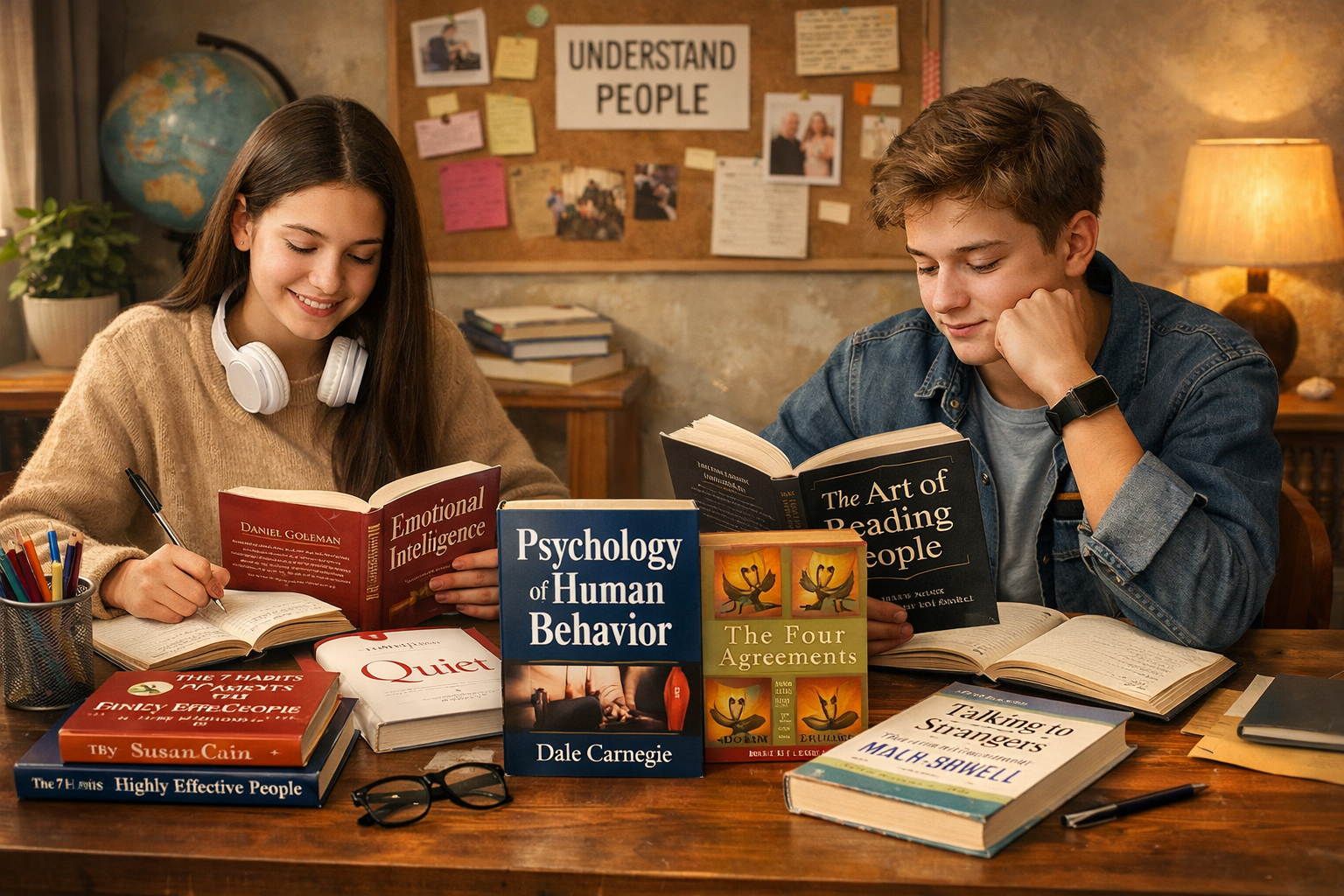
If you want to understand people better, books can help—but not by giving you simple answers.
They help you see complexity.
They show you different perspectives, patterns, and ways of thinking.
But the real change happens in your interactions.
In conversations. In moments of misunderstanding. In situations that require patience.
So read.
Not just to learn about people—but to observe them.
To listen more carefully. To think more deeply.
Because understanding people isn’t about knowing everything.
It’s about being willing to see beyond what’s obvious.
And once you start doing that—
everything begins to make a little more sense.