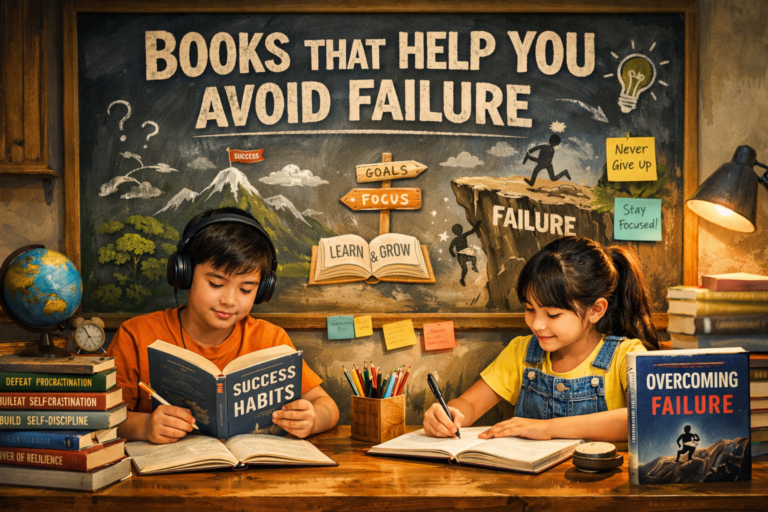

Books That Teach You How to Lead

Books That Teach You How to Lead
I didn’t always think of myself as a leader.
In fact, for a long time, I believed leadership belonged to a certain kind of person—someone naturally confident, outspoken, and always sure of what to do. Someone who could stand in front of others without hesitation, make decisions quickly, and never seem uncertain.
That wasn’t me.
I preferred to observe. To think before speaking. To stay in the background rather than step forward.
So when I first came across books about leadership, I didn’t feel like they were meant for me.
But I read them anyway.
Not because I wanted to lead others—but because I wanted to understand something I didn’t yet have.
And slowly, those books began to change the way I saw leadership entirely.
Leadership Isn’t What It Looks Like
The first shift was simple, but important:
Leadership isn’t about being the loudest person in the room.
It’s not about control. Not about authority. Not about always having the right answers.
Many books challenge that idea.
They show that leadership is quieter than we think.
It’s about responsibility. Awareness. The ability to guide—not force.
And once I understood that, leadership started to feel less distant.
Less like a role reserved for others.
More like something I could grow into.
It Starts With Yourself
One of the most consistent lessons across leadership books is this:
You can’t lead others if you can’t lead yourself.
At first, that sounded obvious.
But it took time to understand what it really meant.
Self-leadership isn’t just about discipline.
It’s about clarity.
Knowing your values. Understanding your reactions. Being aware of how you think and why you act the way you do.
Books that focus on leadership often spend a surprising amount of time on this internal work.
Because without it, everything else becomes unstable.
And that realization changed how I approached growth.
Instead of focusing on how to influence others, I started focusing on understanding myself.
Listening More Than Speaking
Before, I thought leadership meant giving direction.
Telling people what to do. Providing answers.
But reading showed me something different.
Strong leaders listen.
Not passively—but actively.
They pay attention. Ask questions. Try to understand before responding.
That idea stayed with me.
Because it felt more natural—and more effective.
When you listen, people feel seen. Heard. Valued.
And from that, trust begins to form.
And without trust, leadership doesn’t work.
Decision-Making Isn’t About Certainty
One of the things that held me back was the fear of making the wrong decision.
I thought leaders had to be sure.
Confident. Certain. Always right.
But books revealed something more realistic.
Leaders don’t always know the right answer.
They make decisions with the information they have—and take responsibility for the outcome.
That doesn’t remove uncertainty.
But it changes your relationship with it.
Instead of waiting for perfect clarity, you learn to act despite it.
And that’s a skill.
The Weight of Responsibility
Leadership comes with responsibility—not just for outcomes, but for people.
This was something I didn’t fully understand until I read more deeply into it.
Your words matter. Your actions set the tone.
The way you respond to challenges influences how others respond too.
That awareness can feel heavy.
But it’s also what makes leadership meaningful.
Because it’s not just about achieving goals.
It’s about how you get there—and who you become in the process.
Learning From Stories, Not Just Strategies
Some of the most impactful leadership lessons didn’t come from frameworks or step-by-step systems.
They came from stories.
Biographies. Real experiences. Moments of failure, doubt, and growth.
Reading about leaders who struggled—who made mistakes, questioned themselves, and still kept going—made leadership feel human.
Not perfect.
Not distant.
But real.
And that made it easier to relate to.
Influence Over Authority
Another idea that changed my perspective:
Leadership is about influence, not control.
You don’t need a title to lead.
You don’t need permission to make a difference.
Influence comes from how you act. How you communicate. How you show up consistently.
And books reinforced this idea in different ways.
Through examples. Through stories. Through subtle reminders that leadership isn’t something given—it’s something practiced.
Growth Happens in Small Moments
I used to think leadership required big opportunities.
Big decisions. Big responsibilities.
But reading showed me something else.
Leadership is built in small moments.
In how you handle conversations. How you respond to challenges. How you treat people when no one is watching.
Those moments don’t seem important at the time.
But they shape how others see you—and how you see yourself.
The Role of Emotional Intelligence
One thing that stood out across many books was the connection between leadership and emotional intelligence.
Understanding people. Managing your own reactions. Staying calm under pressure.
These aren’t separate skills.
They’re central to leadership.
Because leading isn’t just about tasks—it’s about people.
And people are complex.
Books helped me see that leadership requires not just thinking clearly—but feeling wisely.
When You Don’t Feel Ready
Even after reading, there were times when I didn’t feel ready to lead.
Still unsure. Still hesitant.
And that’s when another lesson became clear:
You don’t wait until you feel ready.
You grow into it.
Step by step.
Through experience. Through mistakes. Through reflection.
Books can guide you—but they can’t replace action.
A Personal Reflection
Looking back, I didn’t become a leader because I read a single book.
But reading changed how I saw leadership.
It made it feel accessible.
Something I could learn. Practice. Improve over time.
It shifted my focus from trying to appear confident—to actually becoming more aware, more thoughtful, more intentional.
And that made all the difference.
Final Thoughts
If you’re looking to learn leadership through books, don’t expect instant transformation.
Expect perspective.
Books will challenge your assumptions. Expand your understanding. Show you different ways to think and act.
But the real change happens when you apply those ideas in your daily life.
In small moments. In real interactions.
Because leadership isn’t something you suddenly become.
It’s something you build—through awareness, action, and time.
So read.
Not just to learn how to lead others—
but to understand how to lead yourself first.
Because in the end, that’s where leadership truly begins.