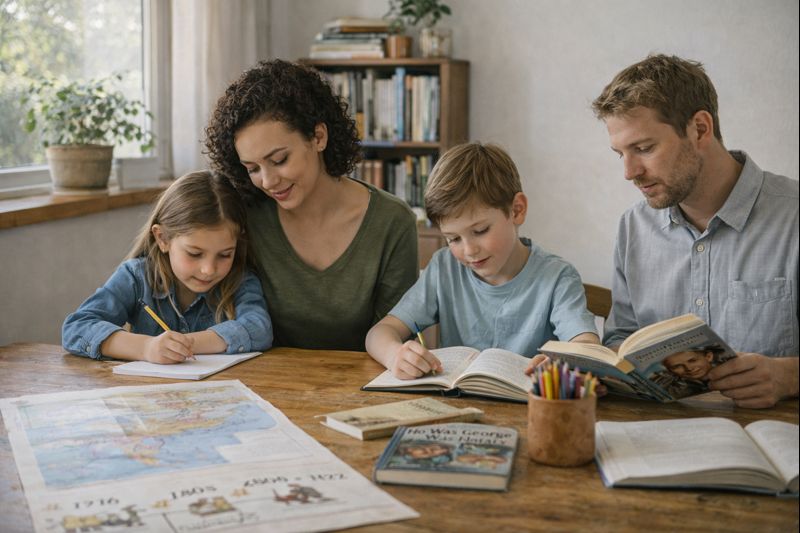
Homeschooling Beyond the Classroom
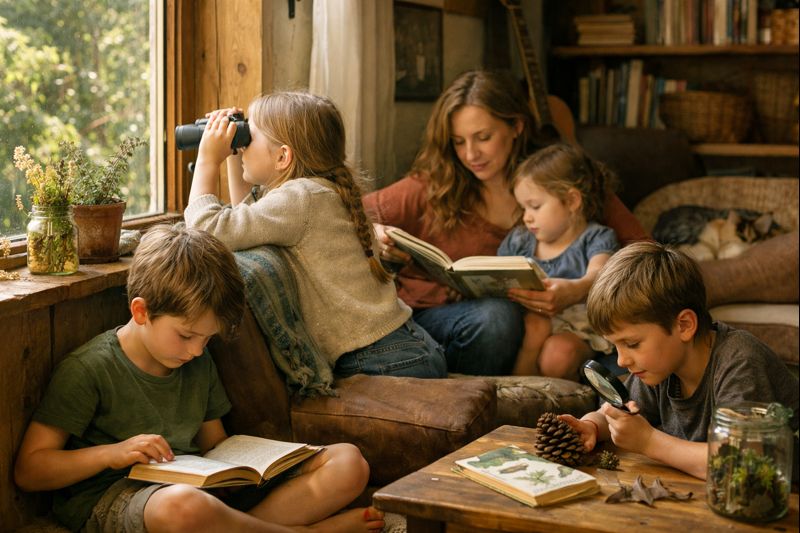
Homeschooling does not have to be confined to a desk, a schedule, or a stack of worksheets. Many families who value this approach are drawn to philosophies such as the Charlotte Mason method, which emphasizes learning through real-life experiences and meaningful ideas. In fact, some of the most meaningful learning often happens outside the traditional “school” setting—through daily life, conversation, observation, and shared experiences.
For many families, homeschooling is not just an educational choice but a lifestyle—one that invites children to learn naturally as they move through the world.
Learning Happens Everywhere

Children are naturally curious. When given space to explore, ask questions, and engage with their surroundings, learning happens almost effortlessly.
Everyday moments can become rich educational opportunities:
- A walk outside turns into a nature study
- Cooking together becomes a practical math and science lesson
- Reading aloud sparks discussion, vocabulary growth, and critical thinking
- Conversations during errands introduce geography, economics, and social skills
This kind of learning is not less effective than formal instruction—it is often more memorable because it is rooted in real life.
Why Real-Life Learning Matters
Learning through everyday experiences helps children:
- Make meaningful connections between ideas
- Develop curiosity rather than dependency on instruction
- Retain information through lived experience
- Build confidence and independence
Instead of separating “school time” from “life,” homeschooling allows education to be woven naturally into daily rhythms.
This approach also respects a child’s developmental pace. Not every concept needs to be mastered at the same time or in the same way for every child.
Observation Over Instruction
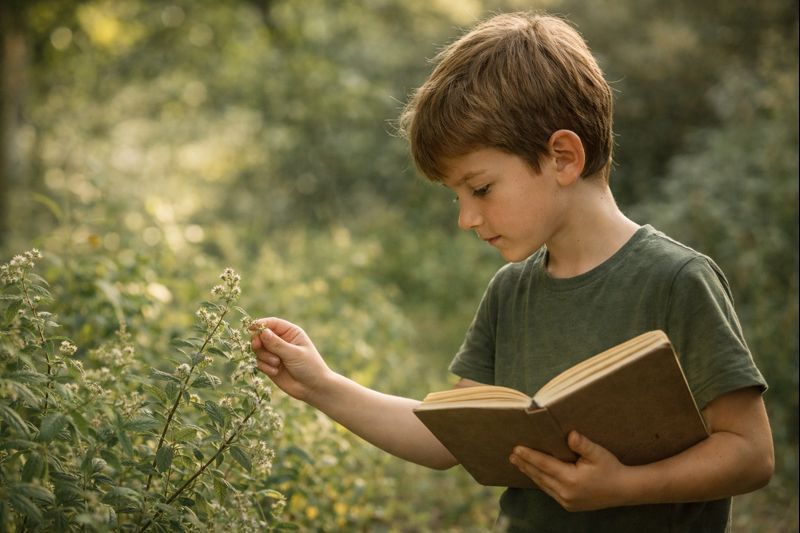
One of the most powerful tools in homeschooling is observation. When children are encouraged to notice details—whether in nature, literature, or daily routines—they begin to think deeply and independently.
Observation teaches:
- Attention and focus
- Critical thinking
- Appreciation for detail
- Patience and reflection
Rather than rushing to explain everything, allowing children to observe first often leads to richer understanding and better questions.
The Role of the Parent
In a life-centered homeschooling approach, the parent is not just an instructor but a guide.
This role includes:
- Providing thoughtful resources
- Creating an environment that invites learning
- Modeling curiosity and lifelong learning
- Trusting the learning process
Parents do not need to have all the answers. Learning alongside children—wondering, researching, and discovering together—models humility and intellectual honesty.
Balancing Structure and Freedom
Homeschooling outside the classroom does not mean a lack of structure. Most families find a balance works best.
Gentle structure may include:
- Regular reading time
- Consistent routines
- Clear expectations
- Space for free exploration
The goal is not control, but support—enough structure to provide stability, with enough freedom to allow curiosity to thrive.
Trusting the Long-Term View

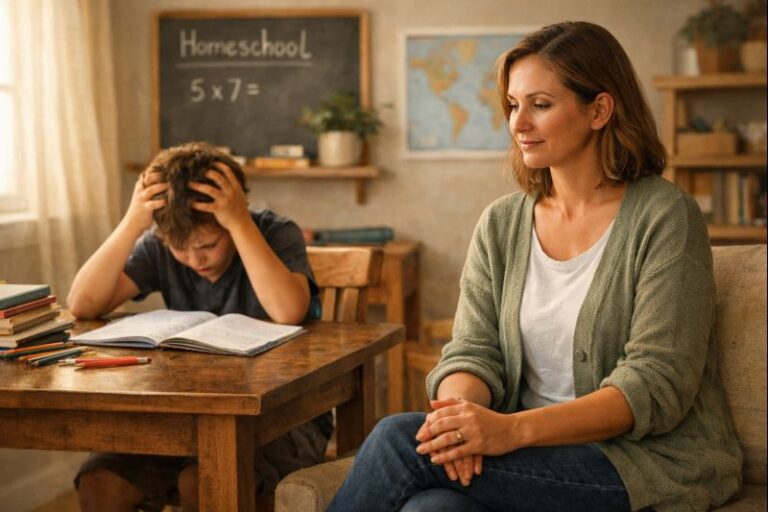
One of the hardest parts of homeschooling is trusting that learning is happening, even when it doesn’t look traditional.
Education is not a race. Skills develop over time, often in uneven but meaningful ways. When learning is rooted in real life, children gain not only knowledge, but wisdom, adaptability, and a genuine love of learning.
Homeschooling beyond the classroom invites families to slow down, pay attention, and recognize that education is not something we add to life—it is something already woven into it.